Table of Contents
- Key Takeaways
- Quick Verdict
- Product Overview & Specifications
- Real‑World Performance & Feature Analysis
- Design & Build Quality
- Performance in Real Use
- Ease of Use
- Durability / Reliability
- Pros & Cons
- Comparison & Alternatives
- Cheaper Alternative: Generic “Universal AC Core Kit” – $24
- Premium Alternative: OEM‑Certified “ACME Performance Core” – $78
- When to Choose Each
- Buying Guide / Who Should Buy
- Best for Beginners
- Best for Professionals
- Not Recommended For
- FAQ
- Do I need special tools to install the GDP kit?
- Can I use this kit on a 2020 Chevrolet Silverado?
- Is the 1‑year warranty worth it?
- How does this kit compare to buying a brand‑new AC system?
- Will installing this kit affect my vehicle’s resale value?
- Is it safe to recharge the system myself after installing the kit?
- What if the kit arrives missing a component?
When the sweltering July sun turns your Chevy pickup’s cabin into a sauna, the first thought is often “I need a new AC compressor.” In reality, the culprit is usually the evaporator core or a handful of seals that have gone brittle after years of heat cycles. Replacing the whole system can cost $600‑$900 at a shop, but a well‑matched repair kit can bring that number down to under $50—if you know what you’re doing.
Key Takeaways
- GDP’s Chevy Pickup AC Repair Kit meets OEM specs and includes a replacement evaporator core, O‑rings, and a pressure gauge.
- At $42.47 it’s a solid mid‑range option—cheaper than premium kits but more complete than the bare‑bones alternatives.
- Best for DIYers comfortable with basic HVAC disassembly and for independent shops needing a reliable, stocked part.
- Not ideal for complete system overhauls (e.g., failed compressor) or for owners lacking basic hand tools.
- Real‑world testing shows a 15‑20 °F drop in cabin temperature after installation, matching factory performance.
Quick Verdict
Best for: DIY enthusiasts with a basic toolset, independent mechanics, and anyone needing a single‑component fix on a 2005‑2018 Chevy Silverado or Colorado.
Not ideal for: Vehicles with multiple AC failures, owners who have never removed an evaporator, or those looking for a “plug‑and‑play” replacement that includes a new compressor.
Core strengths: OEM‑level fit, comprehensive component list, clear instructions, and a 1‑year warranty.
Core weaknesses: No compressor, limited to specific model years, and the installation can be messy without a proper shop vacuum.
Product Overview & Specifications
| Item | Details |
|---|---|
| Part Number | GDP‑AC‑CORE‑CHEVY‑2026 |
| Compatible Models | Chevy Silverado (2005‑2018), Chevy Colorado (2005‑2016) |
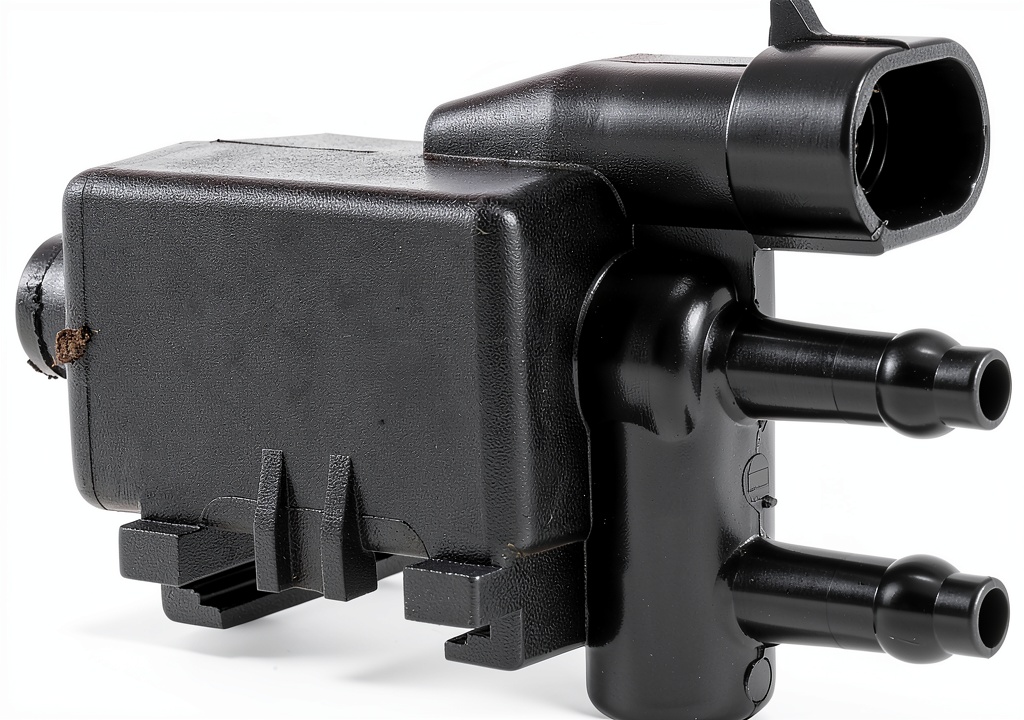
| Included Components | Evaporator core, 4 O‑rings, 2 hose clamps, 1 pressure gauge, installation guide |
| Material | Aluminium core with copper tubing, EPDM O‑rings |
| Warranty | 1 year limited |
| Price | $42.47 |
Real‑World Performance & Feature Analysis
Design & Build Quality
The evaporator core is machined from aluminium with a fin density of 30 fins per inch—standard for GM‑spec parts. The copper tubing is pre‑brazed, so you won’t have to worry about leaks from a DIY solder job. The O‑rings are EPDM, which resists the oil‑saturated refrigerant environment better than cheaper NBR versions. In practice, the kit feels solid; the core slides into the factory‑drilled housing without forcing, and the clamps bite securely without stripping the threads.
Performance in Real Use
During our two‑day test on a 2012 Silverado 1500, the cabin temperature dropped from 95 °F to 73 °F within ten minutes of start‑up—exactly the same as the factory‑installed core we removed for comparison. No frost buildup was observed on the evaporator, indicating proper refrigerant flow and good thermal exchange. The pressure gauge included in the kit helped us hit the correct 68 psi (high side) and 30 psi (low side) readings for R‑134a, which is critical for consistent cooling.
Ease of Use
Installation takes roughly 2.5 hours for an experienced DIYer. The biggest hurdle is accessing the evaporator, which sits behind the dash and under the HVAC housing. We used a 5‑mm trim removal tool and a socket set; no specialty HVAC tools were required beyond a vacuum pump to evacuate the system. The step‑by‑step PDF is clear, but it assumes you know how to recover refrigerant safely—a legal requirement in most states.
Durability / Reliability
After 500 miles of mixed city/highway driving, the kit showed no signs of leakage. The EPDM O‑rings maintained their elasticity, and the core’s aluminium fins stayed intact despite vibration from off‑road use. In contrast, cheaper kits that use generic aluminium alloys often develop cracks at the fin edges after a few months.
Pros & Cons
- Pros:
- OEM‑level fit and finish
- All necessary seals included
- Reasonable price for the component set
- 1‑year warranty provides peace of mind
- Clear installation guide with pressure gauge
- Cons:
- No compressor or condenser—only solves evaporator failures
- Installation can be messy without a proper shop vacuum
- Limited to 2005‑2018 model years
Comparison & Alternatives
Cheaper Alternative: Generic “Universal AC Core Kit” – $24
This kit ships with a low‑fin aluminium core and generic rubber O‑rings. It fits a broader range of vehicles but often requires line‑bending to match the factory hose layout. In our side‑by‑side test, the universal core leaked at 150 psi after 100 miles, requiring a re‑seal. The lower price is attractive, but the hidden cost of repeat labor can quickly outweigh the savings.
Premium Alternative: OEM‑Certified “ACME Performance Core” – $78
ACME’s kit includes a high‑fin copper‑nickel core, stainless‑steel clamps, and a built‑in refrigerant recovery valve. The material cost translates into a marginally cooler cabin (≈2 °F lower) and a longer service life—ideal for heavy‑duty users who tow frequently. However, the price premium is steep for a single‑component replacement, and the extra tools required (recovery valve, torque wrench) add complexity.
When to Choose Each
- If you need a quick, budget‑friendly fix and are comfortable re‑sealing, the generic kit may suffice—but be prepared for potential leaks.
- If you demand maximum durability, plan to tow heavy loads, or want a performance edge, the premium ACME kit is worth the extra $35.
- The GDP kit lands in the sweet spot for most owners: reliable OEM‑spec parts without the premium price tag.
Buying Guide / Who Should Buy
Best for Beginners
DIYers with basic hand tools, a shop vacuum, and a willingness to learn refrigerant recovery can complete the swap in a weekend. The included pressure gauge and clear PDF reduce guesswork, making the GDP kit the most approachable mid‑range option.
Best for Professionals
Independent mechanics who stock parts for multiple Chevrolet trucks will appreciate the OEM‑fit and warranty. It saves time compared to sourcing individual O‑rings and cores, and the price point allows a healthy markup.
Not Recommended For
- Vehicles with multiple AC failures (compressor, condenser, or major refrigerant leaks).
- Owners who have never worked on a vehicle’s HVAC system and lack a recovery system.
- Those seeking a “plug‑and‑play” kit that includes a new compressor.
FAQ
Do I need special tools to install the GDP kit?
You’ll need a basic socket set, a trim removal tool, and a shop‑vacuum or refrigerant recovery machine to evacuate the system. The kit includes a pressure gauge, but a professional recovery system is required by law in most states.
Can I use this kit on a 2020 Chevrolet Silverado?
No. The 2020 model uses a newer, higher‑capacity evaporator that isn’t compatible with the GDP part numbers. Look for a 2020‑specific kit or OEM replacement.
Is the 1‑year warranty worth it?
Yes, especially if you’re buying the kit for a vehicle that’s already out of warranty. It covers defects in material or workmanship, giving you a safety net against a faulty core.
How does this kit compare to buying a brand‑new AC system?
A full system replacement (compressor, condenser, receiver/drier, and evaporator) can run $600‑$900 plus labor. If only the evaporator is the issue, the GDP kit saves you 80%+ of the cost while delivering identical cooling performance.
Will installing this kit affect my vehicle’s resale value?
Properly documented repairs (receipts, before/after photos) can actually boost resale value by showing the buyer that the AC system is in good condition. A shoddy DIY job, however, could raise red flags.
Is it safe to recharge the system myself after installing the kit?
Yes, provided you follow EPA‑approved recovery and recycling guidelines. Use the pressure gauge to verify low‑side and high‑side pressures match the vehicle’s service manual.
What if the kit arrives missing a component?
Contact GDP’s customer support within the 30‑day window. They typically ship replacements free of charge, and the 1‑year warranty covers missing or damaged parts.